
Carbon Tax: A Comprehensive Guide to Pricing Pollution and Protecting the Planet
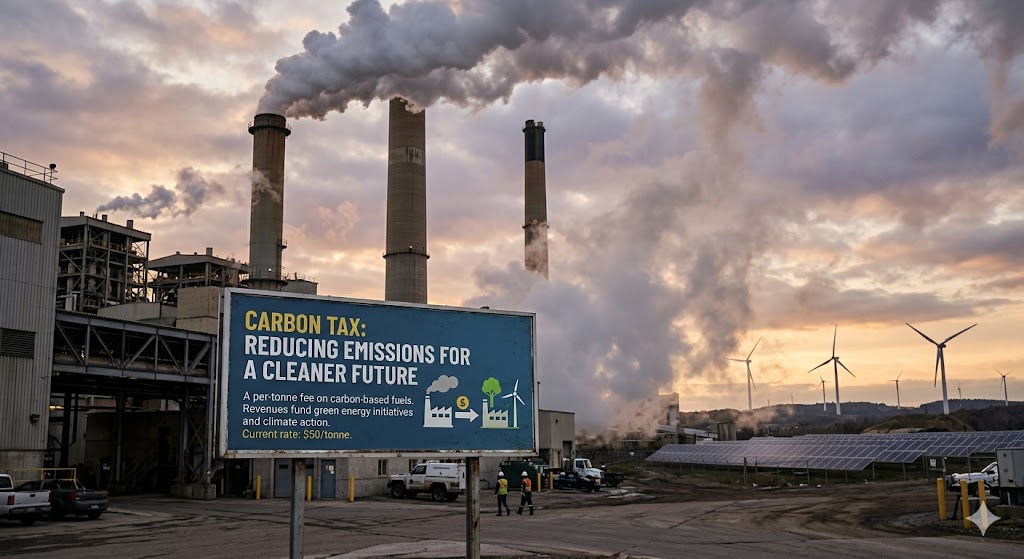
Carbon Tax
Climate change is one of the most pressing challenges facing the modern world. Governments, businesses, andindividuals are increasingly looking for effective ways to reduce greenhouse gas emissions and transition toward cleaner energy systems. Among the many policy tools available, the concept of a carbon tax has gained significant attention for its simplicity, efficiency, and economic logic.
A carbon tax is designed to put a price on carbon emissions, encouraging polluters to reduce their environmental impact. By attaching a cost to activities that release carbon dioxide and other greenhouse gases, it creates a financial incentive for cleaner practices and innovation. This article explores the meaning, purpose, advantages, criticisms, and global impact of carbon taxation in detail.
Table of Contents
ToggleWhat Is a Carbon Tax?
A carbon tax is a fee imposed on the burning of fossil fuels such as coal, oil, and natural gas. These fuels release carbon dioxide when burned, which contributes to global warming. The tax is usually calculated based on the amount of carbon content in the fuel or the emissions produced.
The fundamental idea behind this policy is straightforward: if something harmful has a cost, people and businesses will reduce their use of it. By making carbon-intensive activities more expensive, governments aim to shift behavior toward environmentally friendly alternatives.
How a Carbon Tax Works
A carbon tax works by assigning a specific monetary value to each ton of carbon dioxide emitted. For example, if a government sets a carbon tax at $50 per ton of CO₂, companies must pay that amount for every ton they emit.
This cost is often passed down the supply chain. Energy producers pay more for fossil fuels, manufacturers face higher production costs, and consumers may see increased prices for goods and services. However, this price signal encourages all participants in the economy to adopt cleaner practices, such as:
- Using renewable energy sources
- Improving energy efficiency
- Investing in green technologies
- Reducing waste and consumption
The Purpose of a Carbon Tax
The primary goal of a carbon tax is to reduce greenhouse gas emissions. However, it also serves several broader purposes:
Environmental Protection
By discouraging the use of fossil fuels, a carbon tax helps reduce air pollution and mitigate climate change.
Economic Efficiency
Economists often favor carbon taxes because they allow markets to determine the most cost-effective ways to reduce emissions.
Revenue Generation
Governments can use the revenue generated from carbon taxes to fund public services, invest in renewable energy, or provide rebates to citizens.
Benefits of a Carbon Tax
1. Encourages Cleaner Energy
A carbon tax makes renewable energy sources like wind and solar more competitive compared to fossil fuels. As a result, businesses are more likely to invest in sustainable energy solutions.
2. Promotes Innovation
When companies face higher costs for pollution, they are motivated to develop new technologies that reduce emissions. This can lead to breakthroughs in clean energy, transportation, and manufacturing.
3. Reduces Emissions Effectively
Studies have shown that countries implementing carbon taxes often experience measurable reductions in emissions. The clear price signal helps drive long-term behavioral change.
4. Generates Government Revenue
Carbon tax revenue can be used in various ways, including:
- Funding climate initiatives
- Reducing other taxes
- Supporting low-income households
5. Simple and Transparent
Compared to complex regulatory systems, a carbon tax is relatively easy to implement and understand. It provides a straightforward mechanism for addressing environmental damage.
Challenges and Criticisms
Despite its advantages, a carbon tax is not without criticism. Several challenges must be addressed for it to be effective and fair.
1. Impact on Low-Income Households
Higher energy costs can disproportionately affect low-income families. Without proper safeguards, a carbon tax may increase inequality.
2. Business Competitiveness
Industries in countries with strict carbon taxes may face higher costs compared to those in regions without such policies. This can lead to “carbon leakage,” where companies move operations to countries with weaker regulations.
3. Political Resistance
Carbon taxes are often unpopular because they can lead to higher prices for fuel and goods. This makes them politically challenging to implement.
4. Limited Impact Without Global Coordination
Climate change is a global issue. If only a few countries adopt carbon taxes, the overall impact may be limited unless other nations follow suit.
Carbon Tax vs. Cap-and-Trade
A carbon tax is often compared to another major climate policy known as cap-and-trade. While both aim to reduce emissions, they work differently.
Carbon Tax
- Sets a fixed price on carbon
- Emissions reductions are not guaranteed but influenced by behavior
- Easier to administer
Cap-and-Trade
- Sets a limit (cap) on total emissions
- Allows companies to buy and sell emission permits
- Ensures a specific emissions target is met
Both systems have their merits, and some countries use a combination of the two.
Global Examples of Carbon Tax Implementation
Several countries have successfully implemented carbon taxes, providing valuable insights into their effectiveness.
Sweden
Sweden introduced a carbon tax in 1991 and now has one of the highest carbon prices in the world. Despite this, its economy has continued to grow while emissions have decreased significantly.
Canada
Canada has a federal carbon pricing system that applies across provinces. The revenue is partially returned to citizens through rebates, helping offset increased costs.
United Kingdom
The United Kingdom has implemented carbon pricing policies as part of its broader climate strategy. These measures have contributed to a significant reduction in coal usage and emissions over the years.
Economic Impact of Carbon Tax Policies
The economic impact of a carbon tax depends on how it is designed and implemented.
Positive Effects
- Encourages investment in green industries
- Creates jobs in renewable energy sectors
- Reduces long-term climate-related costs
Potential Downsides
- Short-term increase in energy prices
- Adjustment costs for businesses
- Risk of inflation if not managed carefully
When revenues are reinvested wisely, many of these downsides can be mitigated.
Environmental Impact
The environmental benefits of a carbon tax are substantial when implemented effectively.
- Lower carbon emissions
- Improved air quality
- Reduced reliance on fossil fuels
- Accelerated transition to renewable energy
By addressing the root cause of climate change, a carbon tax plays a critical role in global sustainability efforts.
The Future of Carbon Tax
As climate concerns intensify, more countries are considering carbon taxes as part of their policy toolkit. Advances in technology and increased public awareness are likely to support wider adoption.
Future developments may include:
- Higher carbon prices to meet climate targets
- Greater international cooperation
- Integration with other environmental policies
- Improved systems for revenue redistribution
The success of these policies will depend on balancing environmental goals with economic and social considerations.
FAQs
What is the main purpose of a carbon tax?
The main purpose is to reduce greenhouse gas emissions by making carbon-intensive activities more expensive and encouraging cleaner alternatives.
Who pays a carbon tax?
Businesses that produce or use fossil fuels typically pay the tax, but the cost may be passed on to consumers through higher prices.
Does a carbon tax increase living costs?
It can lead to higher energy and product prices, but governments often provide rebates or tax reductions to offset the impact.
Is a carbon tax effective?
Yes, many countries have seen reduced emissions after implementing carbon taxes, especially when combined with other climate policies.
How is carbon tax revenue used?
Revenue can be used for public services, environmental projects, or returned to citizens through rebates and tax cuts.
What is the difference between carbon tax and environmental tax?
A carbon tax specifically targets carbon emissions, while environmental taxes can apply to a broader range of environmental impacts.
Conclusion
A carbon tax represents a powerful and practical approach to addressing climate change. By placing a price on carbon emissions, it aligns economic incentives with environmental responsibility. While challenges exist, thoughtful policy design and effective implementation can maximize its benefits while minimizing drawbacks.
As the world continues to seek sustainable solutions, carbon taxation is likely to remain a central part of the global strategy to combat climate change. It not only encourages cleaner energy use but also fosters innovation, economic resilience, and long-term environmental protection.


