
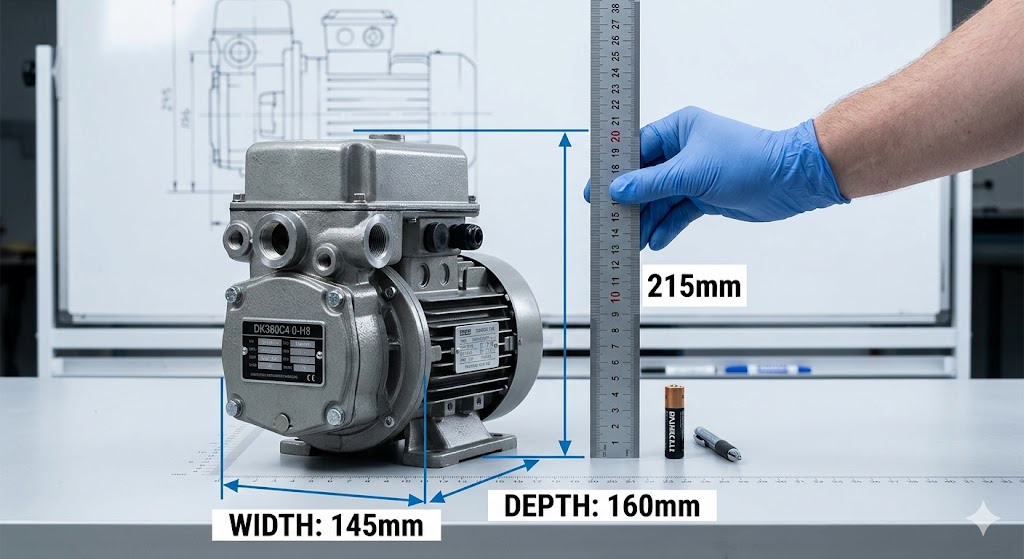
How DK380C4.0-H8 Model Size
Understanding the specifications of modern industrial and technological models is essential for professionals, engineers, and enthusiasts alike. One such model that has gained attention is the DK380C4.0-H8. While it may sound technical at first, breaking down its features—especially its size—can make it much easier to understand and apply in real-world situations.
In this article, we will explore everything about the DK380C4.0-H8 model size, including its dimensions, importance, applications, and factors to consider when working with it. This guide is designed to be simple, informative, and useful whether you are a beginner or someone with technical experience.
What Is the DK380C4.0-H8 Model?
The DK380C4.0-H8 is a specialized model typically associated with industrial machinery, engines, or mechanical systems. Models like this are often used in construction, manufacturing, or heavy-duty applications where precision and performance matter.
The naming structure usually provides clues:
- DK380 may indicate the series or base model
- C4.0 often refers to engine capacity or configuration
- H8 could represent a specific variant, version, or upgrade
Understanding the model name helps users quickly identify compatibility, performance level, and size category.
Understanding the Model Size
When people search for how DK380C4.0-H8 model size, they are typically looking for detailed information about its physical dimensions and capacity.
Key Size Components
The size of the DK380C4.0-H8 model generally includes:
- Length – The total measurement from front to back
- Width – The side-to-side dimension
- Height – The vertical measurement
- Weight – Overall mass of the unit
- Engine Capacity – If applicable, measured in liters
These measurements determine how the model fits into specific environments and how it performs under different conditions.
Why Model Size Matters
Understanding the size of the DK380C4.0-H8 is not just about numbers—it directly impacts usability and performance.
1. Space Compatibility
Before installing or using the model, you must ensure that it fits within the available space. Whether it’s a workshop, factory floor, or vehicle compartment, size plays a critical role.
2. Performance Efficiency
Larger models often provide more power but may consume more energy or fuel. Smaller models might be more efficient but less powerful.
3. Transportation and Handling
The size and weight affect how easily the model can be transported. Heavy and bulky models require special equipment for movement.
4. Maintenance Access
Compact designs can sometimes make maintenance difficult, while larger models may allow easier access to components.
Typical Dimensions of DK380C4.0-H8
While exact specifications may vary depending on the manufacturer or configuration, a typical DK380C4.0-H8 model might fall within these general ranges:
- Length: Medium to large industrial scale
- Width: Standard for heavy-duty machinery
- Height: Designed for stability and accessibility
- Weight: Substantial, requiring proper support
These dimensions indicate that the model is likely built for robust and demanding environments.
Applications of DK380C4.0-H8 Model
The DK380C4.0-H8 model size makes it suitable for a variety of applications.
Industrial Use
It is commonly used in factories where high performance and durability are required.
Construction Equipment
Its size and power make it ideal for heavy machinery such as loaders, excavators, or generators.
Agricultural Machinery
Farm equipment often benefits from models that balance size and efficiency.
Power Generation
If the model includes an engine, it may be used in generators or backup power systems.
Factors That Influence Model Size
Several factors determine the overall size of the DK380C4.0-H8 model.
1. Engine Configuration
Larger engines require more space, which increases the overall dimensions.
2. Cooling System
Efficient cooling systems often add to the size due to radiators and airflow design.
3. Structural Design
The frame and protective casing also contribute to the total size.
4. Additional Components
Attachments, accessories, or upgrades can increase the model’s dimensions.
Comparing DK380C4.0-H8 With Similar Models
When evaluating the DK380C4.0-H8 model size, it helps to compare it with similar models.
Compact Models
- Smaller in size
- Easier to transport
- Lower power output
Larger Models
- Higher power capacity
- More durable for heavy tasks
- Require more installation space
The DK380C4.0-H8 typically sits in the mid-to-large category, offering a balance between performance and manageability.
Advantages of the DK380C4.0-H8 Model Size
Balanced Performance
Its size allows it to deliver strong performance without being excessively bulky.
Versatility
Suitable for multiple industries due to its adaptable dimensions.
Stability
A well-sized model ensures better balance and reduced vibration during operation.
Limitations to Consider
While the model size offers many benefits, there are some limitations:
- May require significant installation space
- Transportation can be challenging
- Higher cost compared to smaller models
Understanding these factors helps users make informed decisions.
Tips for Choosing the Right Model Size
If you are considering the DK380C4.0-H8, keep these tips in mind:
Assess Your Needs
Determine the level of power and capacity required for your tasks.
Measure Available Space
Ensure the model fits comfortably in your working environment.
Consider Future Expansion
Choose a size that allows for upgrades or additional components.
Evaluate Budget
Larger models often come with higher costs, including maintenance and operation.
Maintenance Considerations
The size of the DK380C4.0-H8 also affects maintenance.
Accessibility
Larger models may provide easier access to internal parts.
Spare Parts
Ensure that replacement parts are readily available for the model size.
Service Requirements
Bigger models may require more frequent or specialized servicing.
Future Trends in Model Design
Modern engineering is focusing on optimizing size without compromising performance.
Compact Efficiency
Manufacturers aim to reduce size while maintaining power output.
Lightweight Materials
Advanced materials help reduce weight without sacrificing strength.
Smart Integration
Technology is being integrated to improve performance within smaller dimensions.
Conclusion
Understanding how DK380C4.0-H8 model size works is essential for anyone planning to use or invest in this model. Its size plays a crucial role in determining performance, efficiency, and usability across different industries.
By considering factors such as dimensions, applications, and maintenance requirements, users can make better decisions and maximize the benefits of this model. Whether for industrial, agricultural, or construction use, the DK380C4.0-H8 offers a reliable balance between size and capability.
FAQs
1. What does DK380C4.0-H8 model size refer to?
It refers to the physical dimensions, weight, and overall capacity of the DK380C4.0-H8 model.
2. Is the DK380C4.0-H8 considered a large model?
Yes, it is generally categorized as a medium-to-large model suitable for heavy-duty applications.
3. Why is model size important?
Model size affects installation, performance, transportation, and maintenance.
4. Can the size vary between manufacturers?
Yes, slight variations may occur depending on design and additional features.
5. Where is the DK380C4.0-H8 commonly used?
It is widely used in industrial machinery, construction equipment, and agricultural applications.
6. How do I choose the right model size?
Evaluate your space, performance needs, and budget before selecting a model.


