
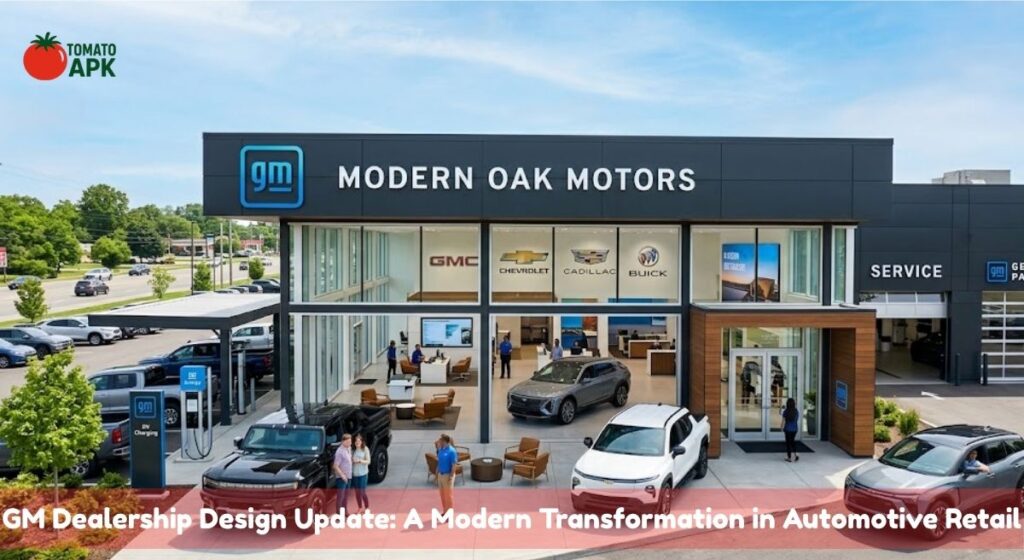
The automotive industry is undergoing a major shift—not just in the vehicles being produced, but also in how they are sold. One of the most notable changes in recent years is the GM dealership design update, a comprehensive overhaul of dealership architecture, branding, and customer experience. This transformation reflects evolving consumer expectations, the rise of electric vehicles (EVs), and the need for a more digital and immersive retail environment.
In this article, we’ll explore what the GM dealership design update entails, why it matters, and how it’s shaping the future of car buying.
What Is the GM Dealership Design Update?
The GM dealership design update is a strategic initiative aimed at modernizing the physical and digital appearance of General Motors dealerships. It focuses on creating a consistent, premium, and customer-friendly environment across all locations.
This redesign includes updated showroom layouts, improved lighting, digital integration, EV-focused infrastructure, and a stronger brand identity. The goal is simple: make dealerships more inviting, efficient, and aligned with the future of mobility.
Why GM Is Updating Its Dealership Design
Adapting to Changing Consumer Expectations
Today’s customers expect more than just a place to buy a car. They want an experience—one that is seamless, informative, and enjoyable. Traditional dealerships, often seen as transactional and outdated, no longer meet these expectations.
The GM dealership design update addresses this by creating spaces that feel modern, transparent, and customer-focused.
Supporting Electric Vehicle Growth
With the rise of EVs, dealerships need to adapt. Electric vehicles require a different kind of sales approach, including education on charging, battery technology, and sustainability.
The updated design includes dedicated EV areas, charging stations, and interactive displays that help customers understand this new technology.
Enhancing Brand Identity
Consistency is key in branding. GM aims to create a unified look and feel across all its dealerships, ensuring that customers have a recognizable and premium experience no matter where they go.
Key Features of the GM Dealership Design Update
1. Modern Exterior Design
The exterior of dealerships is getting a sleek makeover. Clean lines, updated signage, and contemporary architecture create a strong first impression. The new look emphasizes simplicity and sophistication, aligning with GM’s evolving brand image.
2. Open and Inviting Showrooms
Gone are the cluttered and crowded showrooms. The new design focuses on open spaces, allowing vehicles to be displayed more effectively. Customers can move freely, explore cars at their own pace, and enjoy a relaxed environment.
3. Digital Integration
Technology plays a central role in the GM dealership design update. Interactive screens, digital kiosks, and virtual configurators allow customers to customize vehicles, compare models, and access information instantly.
This reduces reliance on sales staff and empowers customers to make informed decisions.
4. EV Experience Zones
As electric vehicles become more prominent, dealerships are introducing dedicated EV sections. These areas provide educational content, charging demonstrations, and hands-on experiences.
Customers can learn about battery range, charging options, and environmental benefits in an engaging way.
5. Comfortable Customer Lounges
Waiting areas are being transformed into comfortable lounges with modern furniture, Wi-Fi, refreshments, and entertainment options. The aim is to make customers feel at ease while they wait for service or consultations.
6. Transparent Service Areas
Service departments are also being redesigned. Glass walls and open layouts allow customers to see what’s happening with their vehicles, building trust and transparency.
The Role of Technology in the Redesign
Virtual and Augmented Reality
Some updated dealerships are incorporating VR and AR technologies. These tools allow customers to explore vehicle features, test configurations, and even experience virtual test drives.
Online-to-Offline Integration
The buying journey often starts online. The new design ensures a seamless transition from digital browsing to in-person visits. Customers can begin their research online and continue it in-store without repetition.
Data-Driven Personalization
Dealerships are increasingly using data to personalize customer experiences. From tailored recommendations to targeted promotions, technology helps create a more relevant and engaging journey.
Benefits of the GM Dealership Design Update
Improved Customer Experience
The updated design prioritizes comfort, convenience, and clarity. Customers can explore vehicles without pressure and access information easily.
Increased Sales Efficiency
Digital tools streamline the sales process, reducing time and improving efficiency. Customers can make decisions faster, and staff can focus on providing value rather than basic information.
Stronger Brand Perception
A modern and consistent dealership design enhances GM’s image as an innovative and forward-thinking company.
Better Support for EV Adoption
Dedicated EV zones and educational tools help customers understand electric vehicles, encouraging adoption and confidence.
Challenges in Implementing the Update
High Costs
Redesigning dealerships requires significant investment. From construction to technology upgrades, the costs can be substantial for dealership owners.
Training Staff
With new technology and layouts, staff need proper training to adapt. This includes understanding digital tools and providing a more consultative sales approach.
Maintaining Consistency
Ensuring that all dealerships follow the new design standards can be challenging, especially across different regions and markets.
How Customers Are Responding
Early feedback on the GM dealership design update has been largely positive. Customers appreciate the modern look, the ease of navigation, and the reduced pressure during the buying process.
Many also value the educational approach, especially when it comes to electric vehicles. The ability to explore and learn at their own pace is a significant improvement over traditional methods.
The Future of Automotive Retail
The GM dealership design update is part of a broader trend in the automotive industry. Dealerships are evolving from transactional spaces into experiential hubs.
In the future, we can expect:
- More digital integration
- Greater focus on sustainability
- Enhanced personalization
- Hybrid retail models combining online and offline experiences
These changes will continue to redefine how customers interact with automotive brands.
Tips for Dealership Owners
If you’re a dealership owner preparing for the GM design update, consider the following:
Plan Your Investment Carefully
Understand the costs involved and create a phased implementation plan if needed.
Embrace Technology
Invest in digital tools that enhance customer experience and streamline operations.
Train Your Team
Ensure your staff is well-trained in both technology and customer service.
Focus on Customer Experience
Every design decision should prioritize the customer’s comfort and convenience.
Conclusion
The GM dealership design update represents a significant خطوة forward in automotive retail. By combining modern architecture, advanced technology, and a customer-centric approach, GM is redefining what a dealership should be.
This transformation not only enhances the buying experience but also prepares dealerships for the future—one that is increasingly digital, electric, and experience-driven.
As the automotive landscape continues to evolve, initiatives like this will play a crucial role in shaping how consumers interact with brands and make purchasing decisions.
FAQs
What is the GM dealership design update?
It is a modernization initiative by General Motors to redesign dealership spaces with improved layouts, digital tools, and EV-focused features.
Why is GM updating its dealerships?
GM is updating its dealerships to meet changing customer expectations, support electric vehicles, and create a consistent brand experience.
What are EV experience zones?
These are dedicated areas within dealerships where customers can learn about electric vehicles, charging systems, and related technologies.
How does the update improve customer experience?
The update creates a more comfortable, transparent, and interactive environment, allowing customers to explore vehicles at their own pace.
Are all GM dealerships required to adopt the new design?
While GM encourages adoption, implementation may vary depending on location and dealership ownership.
Does the redesign include digital tools?
Yes, digital integration is a key component, including interactive displays, virtual configurators, and online-to-offline connectivity.
How does this affect vehicle sales?
The updated design can improve sales efficiency by streamlining processes and enhancing customer engagement.
Is the redesign focused on electric vehicles?
While not exclusively, EVs are a major focus, with dedicated zones and educational tools to support their adoption.


