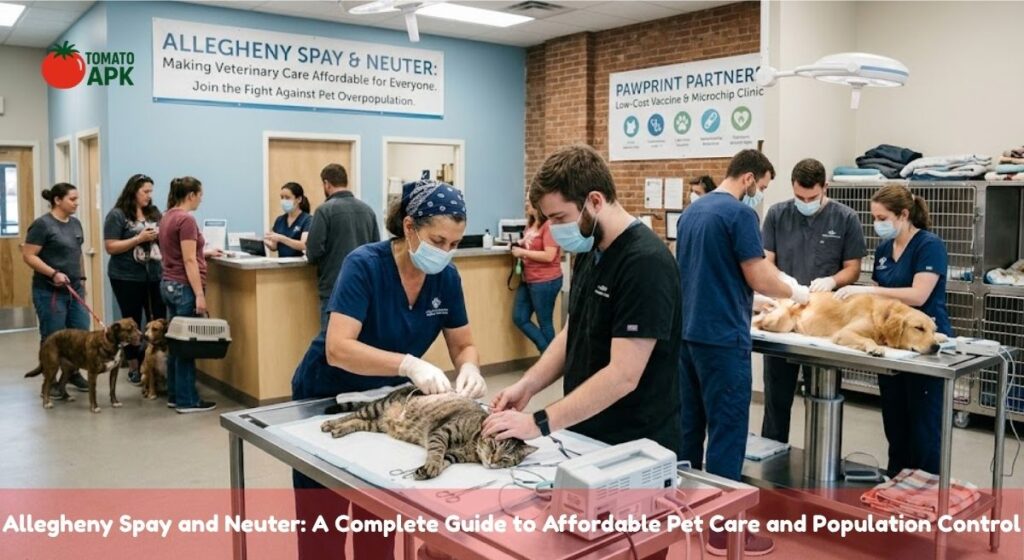
Allegheny Spay and Neuter services play a vital role in promoting responsible pet ownership and reducing the number of unwanted animals in communities. These programs are designed to provide affordable surgical procedures for pets, ensuring that both cats and dogs are sterilized safely and effectively. For many pet owners, especially those on a limited budget, accessing low-cost veterinary services can be challenging. This is where Allegheny spay and neuter initiatives step in, bridging the gap between affordability and essential animal care.
Spaying and neutering are not just about preventing reproduction; they are also key to improving the overall health and behavior of pets. In regions like Allegheny County and surrounding areas, these programs have become increasingly popular due to their accessibility and community-focused approach. By offering discounted services, they help reduce overcrowding in shelters and improve the quality of life for animals. This article explores everything you need to know about Allegheny spay and neuter programs, from their benefits to how they operate and why they matter.
What Is Spaying and Neutering?
Spaying and neutering are surgical procedures that prevent animals from reproducing. Spaying refers to the removal of reproductive organs in female animals, while neutering typically refers to the procedure performed on males. These surgeries are routine, widely practiced, and considered safe when conducted by trained professionals.
The importance of these procedures goes beyond population control. They significantly reduce the risk of certain diseases, including reproductive cancers and infections. Additionally, sterilized pets often exhibit calmer behavior, reduced aggression, and less tendency to roam. For communities, this means fewer stray animals and a decrease in issues like noise, fighting, and territorial marking.
Allegheny spay and neuter programs emphasize education alongside services, helping pet owners understand why these procedures are essential. By making these surgeries affordable and accessible, they encourage more people to take responsible steps toward pet care.
The Mission Behind Allegheny Spay and Neuter Programs
The primary mission of Allegheny spay and neuter services is to control the pet population while promoting humane treatment of animals. Overpopulation is a serious issue in many areas, leading to overcrowded shelters and, in some cases, euthanasia of healthy animals. These programs aim to reduce such outcomes by preventing unwanted litters before they occur.
Another key goal is community outreach. Many organizations associated with Allegheny spay and neuter initiatives conduct awareness campaigns, educational workshops, and partnerships with local shelters. Their focus is not only on treating animals but also on changing public attitudes toward responsible pet ownership.
By offering subsidized services, these programs ensure that financial constraints do not prevent pet owners from accessing necessary care. This inclusive approach makes a significant difference, especially in underserved communities where veterinary costs can be a barrier.
Benefits of Choosing Allegheny Spay and Neuter Services
There are numerous benefits to using Allegheny spay and neuter services, both for individual pet owners and the community at large. One of the most obvious advantages is cost savings. Traditional veterinary clinics can charge high fees for spaying and neutering, whereas these programs offer significantly reduced prices.
Another benefit is the quality of care. Despite being affordable, these services are typically provided by experienced veterinarians who specialize in high-volume procedures. This expertise often results in efficient surgeries with minimal recovery time for pets.
Additionally, choosing these services contributes to a broader social impact. By sterilizing your pet, you help reduce the number of stray animals, which in turn decreases the burden on shelters and rescue organizations. This creates a healthier, safer environment for both animals and humans.
How Allegheny Spay and Neuter Clinics Operate
Allegheny spay and neuter clinics are designed to handle a high volume of procedures efficiently. Unlike traditional veterinary practices that offer a wide range of services, these clinics focus primarily on sterilization surgeries. This specialization allows them to streamline their processes and keep costs low.
Most clinics operate on an appointment basis, although some may offer walk-in services during specific hours. Pet owners are usually required to follow pre-surgery guidelines, such as fasting their pets for a certain period. After the procedure, detailed aftercare instructions are provided to ensure a smooth recovery.
These clinics often collaborate with animal shelters, rescue groups, and local governments. This network helps expand their reach and ensures that more animals benefit from their services. By focusing on efficiency and collaboration, Allegheny spay and neuter programs maximize their impact.
Who Can Benefit from These Services?
Allegheny spay and neuter programs are designed to serve a wide range of pet owners. While they are especially beneficial for individuals with limited financial resources, they are open to anyone looking for affordable pet care. This inclusivity ensures that more pets receive the necessary procedures.
Animal shelters and rescue organizations also benefit greatly from these programs. By partnering with spay and neuter clinics, they can ensure that adopted animals are sterilized before going to new homes. This reduces the risk of further overpopulation.
Even community caregivers who look after stray or feral animals can take advantage of these services. Many programs offer special rates or assistance for trap-neuter-return (TNR) initiatives, which are crucial for managing feral cat populations.
Health Advantages for Pets
Spaying and neutering offer significant health benefits for pets. For female animals, spaying eliminates the risk of uterine infections and greatly reduces the chances of developing breast tumors. For males, neutering prevents testicular cancer and can reduce prostate issues.
Behavioral improvements are another major advantage. Neutered pets are less likely to engage in aggressive behavior, roam in search of mates, or mark their territory. This makes them easier to manage and more enjoyable companions.
Allegheny spay and neuter programs emphasize these health benefits as part of their educational efforts. By informing pet owners about the long-term advantages, they encourage more people to opt for these procedures.
Impact on the Community
The impact of Allegheny spay and neuter services extends beyond individual pets. By reducing the number of unwanted animals, these programs help alleviate the strain on local shelters. This leads to fewer euthanasia cases and better living conditions for animals awaiting adoption.
Communities also benefit from a decrease in stray animal populations. This reduces issues such as noise complaints, property damage, and potential health risks associated with unvaccinated animals. Overall, it creates a safer and more harmonious environment.
These programs also foster a sense of responsibility among pet owners. By promoting education and accessibility, they encourage people to take better care of their animals and contribute to community well-being.
Cost and Affordability
One of the defining features of Allegheny spay and neuter programs is their affordability. The cost of procedures is significantly lower than that of traditional veterinary clinics, making them accessible to a broader audience.
Many programs are supported by donations, grants, and partnerships with local organizations. This funding allows them to subsidize the cost of surgeries without compromising on quality. Some clinics even offer free services during special events or for specific groups.
For pet owners, this means that financial limitations are less likely to prevent them from providing essential care. Affordable pricing ensures that more animals are sterilized, contributing to the overall success of these programs.
Preparing Your Pet for Surgery
Proper preparation is essential for ensuring a successful spay or neuter procedure. Pet owners are typically advised to withhold food from their pets for several hours before surgery. This helps reduce the risk of complications during anesthesia.
It is also important to ensure that your pet is healthy before the procedure. Some clinics may require a basic health check or vaccinations prior to surgery. Following the clinic’s guidelines is crucial for a smooth experience.
After the surgery, pets need a calm and comfortable environment for recovery. Owners should monitor their pets closely, limit physical activity, and follow any medication instructions provided by the clinic.
Recovery and Aftercare
Recovery from spaying or neutering is usually quick, especially when proper aftercare is followed. Most pets can return to their normal activities within a week or two. However, it is important to keep them from licking or scratching the surgical site.
Veterinarians often provide protective collars or recommend alternatives to prevent interference with the healing process. Pain management may also be prescribed to ensure the pet’s comfort.
Allegheny spay and neuter clinics typically offer detailed aftercare instructions and support. By following these guidelines, pet owners can help their animals recover safely and quickly.
Common Myths and Misconceptions
There are several myths surrounding spaying and neutering that can discourage pet owners from opting for these procedures. One common misconception is that sterilization will change a pet’s personality. In reality, it often improves behavior without affecting the pet’s core traits.
Another myth is that pets should have at least one litter before being spayed. This is not supported by veterinary science and can contribute to overpopulation. Early sterilization is generally recommended for optimal health benefits.
Allegheny spay and neuter programs work to dispel these myths through education and outreach. By providing accurate information, they help pet owners make informed decisions.
The Role of Community Support
Community support is essential for the success of Allegheny spay and neuter initiatives. Donations, volunteer efforts, and partnerships all contribute to the sustainability of these programs. Without community involvement, it would be difficult to maintain affordable services.
Local governments and organizations often collaborate with these programs to expand their reach. This collective effort ensures that more animals receive the care they need.
Pet owners can also contribute by spreading awareness and encouraging others to take advantage of these services. Every small action helps create a positive impact.
Conclusion
Allegheny spay and neuter programs are a cornerstone of responsible pet care and community welfare. By providing affordable, high-quality sterilization services, they address the critical issue of pet overpopulation while improving the health and behavior of animals. Their impact extends beyond individual pets, benefiting shelters, communities, and society as a whole.
Choosing to spay or neuter your pet is a responsible and compassionate decision. With the support of Allegheny spay and neuter services, this essential step becomes accessible to everyone. By participating in these programs, pet owners can play a vital role in creating a better future for animals.
FAQs About Allegheny Spay and Neuter
What is the ideal age to spay or neuter a pet?
Most veterinarians recommend spaying or neutering pets between four to six months of age. However, the exact timing can vary depending on the animal’s breed, size, and health.
Are these procedures safe?
Yes, spaying and neutering are routine surgeries with a high success rate. When performed by experienced professionals, the risks are minimal.
How long does recovery take?
Recovery typically takes about 7 to 14 days. Most pets return to normal behavior within a few days, but full healing may take slightly longer.
Do these programs only serve low-income pet owners?
While they are designed to be affordable, many Allegheny spay and neuter programs are open to all pet owners, regardless of income.
Can feral cats be treated through these services?
Yes, many programs support trap-neuter-return (TNR) initiatives, helping manage feral cat populations effectively.
Will my pet gain weight after the procedure?
Weight gain is not directly caused by spaying or neutering. Proper diet and exercise are key to maintaining a healthy weight.
How can I schedule an appointment?
Appointments are usually made through participating clinics or partner organizations. Availability may vary, so it’s best to plan ahead.