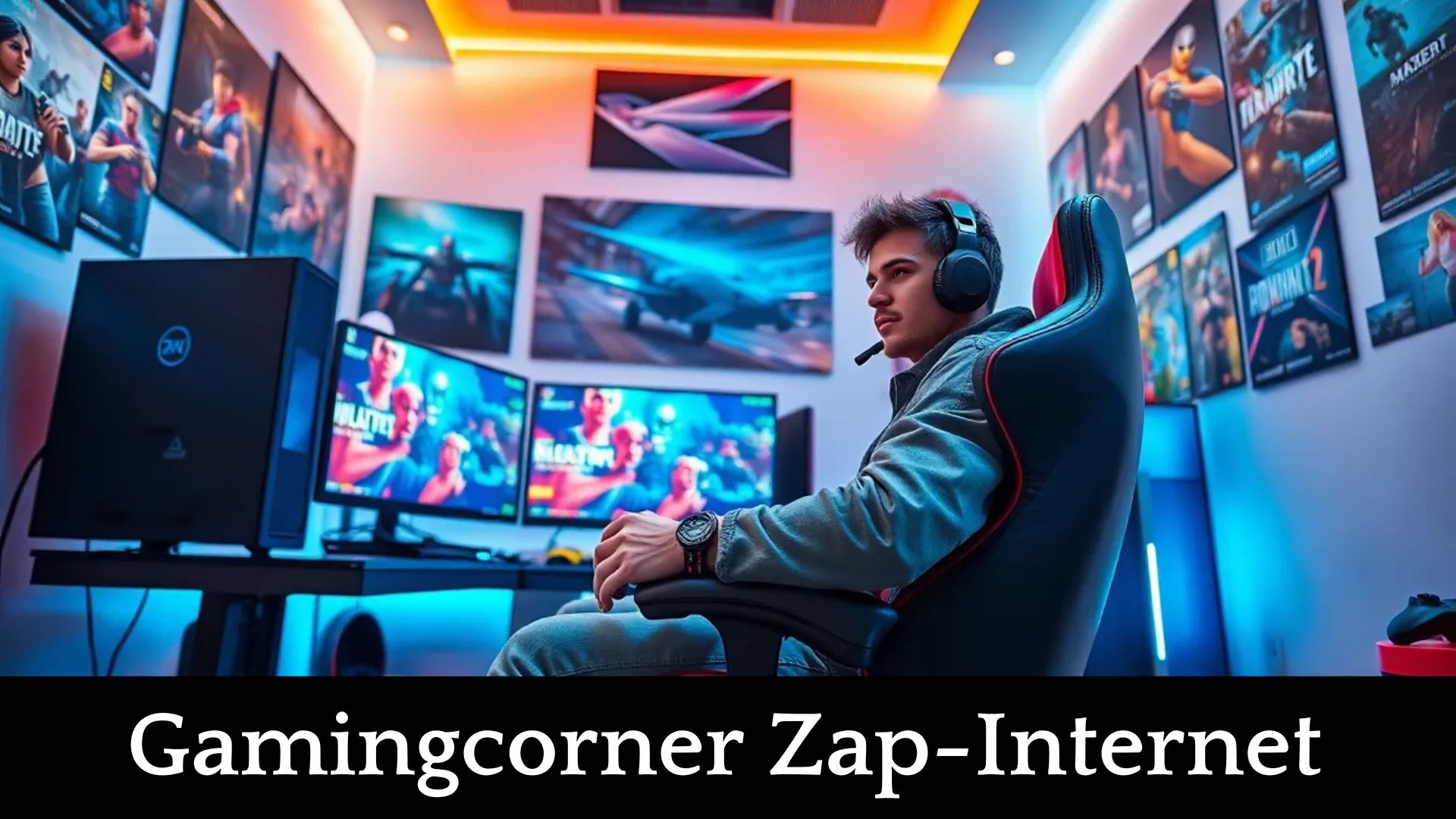
Gamingcorner Zap-Internet: In the world of online gaming, having a reliable and fast internet connection is crucial. Lag, high latency, and unstable connections can ruin even the most thrilling matches. Gamers now seek specialized solutions designed to deliver smooth gameplay, fast downloads, and consistent connectivity. This guide explores advanced internet setups tailored for gaming, highlighting their benefits, features, and how they enhance the overall experience for competitive players.
Understanding Gaming-Focused Internet
Gaming-focused internet refers to connections specifically optimized to support real-time multiplayer games. Unlike regular broadband, which prioritizes general web traffic, these setups focus on minimizing lag, stabilizing data packets, and ensuring low latency. The goal is to create a seamless experience where every action in a game is registered instantly. Such networks are ideal for players who participate in competitive matches, stream content, or rely on uninterrupted connectivity for performance.
Why Connection Quality Matters
Speed alone isn’t enough for gamers. While high download rates help with large updates and game installations, latency, jitter, and stability are equally important. Low latency ensures immediate response times, while consistent stability prevents sudden disconnections. High-performing gaming networks often include features like optimized routing and packet prioritization, which reduce interruptions and improve in-game responsiveness.
Core Features of Gaming-Optimized Connections
Several technical features set these internet solutions apart from conventional broadband:
-
Low Ping Optimization: Reduces the time for data to travel between your device and game servers.
-
Traffic Prioritization: Ensures that gaming data gets priority over other online activities.
-
Anti-Lag Routing: Chooses the fastest server paths to maintain a smooth experience.
-
Customizable QoS Settings: Lets users manage bandwidth allocation to optimize performance for specific applications.
These combined features make a noticeable difference in gameplay, especially during high-stakes matches.
Benefits for Competitive Players
Serious gamers enjoy several advantages with optimized connections. Reduced input delay enhances reaction times in fast-paced games. Improved hit registration ensures more accurate gameplay, while stable connections prevent unexpected disconnections during tournaments. Streamers benefit as well, as the network can handle simultaneous gameplay and live broadcasting without compromising performance. Overall, these connections support both casual and competitive play by ensuring a smoother and more reliable experience.
How Optimized Networks Improve Ping
Ping is the measure of the time it takes for a signal to travel to a game server and back. Advanced networks reduce ping through several strategies:
-
Optimized Routing Paths: Avoids congested nodes and selects faster routes.
-
Edge Servers: Placed closer to gaming hubs, reducing travel distance.
-
Smart Traffic Shaping: Prioritizes gaming data over other traffic.
By improving ping, players experience faster responsiveness, which is critical for online shooters, MOBAs, and other competitive titles.
Setting Up for Maximum Performance
To get the best results, proper setup is essential. A wired Ethernet connection is recommended over Wi-Fi to reduce interference and packet loss. High-quality gaming routers with traffic prioritization features can further enhance performance. Positioning equipment in a central location and closing unnecessary background applications also improves stability. By combining these steps with an optimized network, gamers can enjoy uninterrupted sessions even during peak hours.
Comparing with Standard Broadband
While traditional broadband is adequate for browsing and streaming, it often struggles with latency-sensitive gaming traffic. Optimized networks focus on real-time responsiveness rather than just raw speed. Even if both offer similar download rates, gaming-focused setups outperform conventional connections in competitive scenarios. This distinction makes them especially valuable for esports players and households with multiple active gamers.
Common Issues and Solutions
Even optimized setups can face occasional problems. Frequent issues include router misconfigurations, outdated firmware, and network congestion. Simple solutions like restarting equipment, updating software, and monitoring background bandwidth usage often resolve these problems. Keeping system drivers and game clients updated is also essential for maintaining peak performance. With regular maintenance, these connections provide consistent, high-quality gameplay.
Is It Worth Upgrading?
For casual players, regular broadband may suffice. However, those who play competitively, stream content, or engage in online tournaments can greatly benefit from an optimized connection. Reduced lag, better hit registration, and a more stable connection can elevate gameplay performance. Households with multiple gamers also benefit from traffic prioritization features. The investment is often justified by the noticeable improvements in responsiveness and reliability.
The Future of Gaming Connectivity
As online games evolve, connectivity demands continue to grow. Cloud gaming, VR multiplayer, and high-definition streaming require even lower latency and higher reliability. Gaming-focused networks are likely to become standard in homes and gaming centers. Future innovations may include AI-driven routing, server optimization, and deeper integration with game platforms to further enhance the gaming experience.
Tips for Optimal Performance
Gamers can maximize their experience by following simple tips:
-
Prefer wired Ethernet connections over Wi-Fi.
-
Keep routers and networking hardware updated.
-
Choose game servers geographically close to your location.
-
Monitor background apps consuming bandwidth.
-
Invest in a quality router with traffic management features.
-
Test connections periodically to identify and resolve issues.
These steps ensure a consistent, lag-free experience, allowing gamers to focus on gameplay.
Conclusion
Optimized internet setups for gaming offer a significant advantage over standard broadband. By reducing lag, stabilizing connections, and prioritizing real-time data, they provide smoother gameplay and faster responsiveness. Competitive players, streamers, and households with multiple users stand to benefit the most. Proper setup and maintenance are crucial for achieving the best results. As gaming continues to evolve, these specialized networks will become increasingly essential for serious online players seeking peak performance.
Frequently Asked Questions (FAQs)
Q1: What makes a gaming-focused internet different from regular broadband?
It prioritizes low latency, stable connections, and traffic management for real-time gaming, rather than just speed.
Q2: Can it help with streaming gameplay?
Yes, traffic prioritization allows simultaneous streaming and gaming without performance drops.
Q3: Do I need special equipment?
A good gaming router and a wired connection are recommended to maximize benefits.
Q4: Is it worth it for casual gamers?
Casual players may notice smoother gameplay, but competitive players see the most impact.
Q5: How can I reduce lag further?
Choose nearby servers, close background applications, and ensure hardware is optimized.