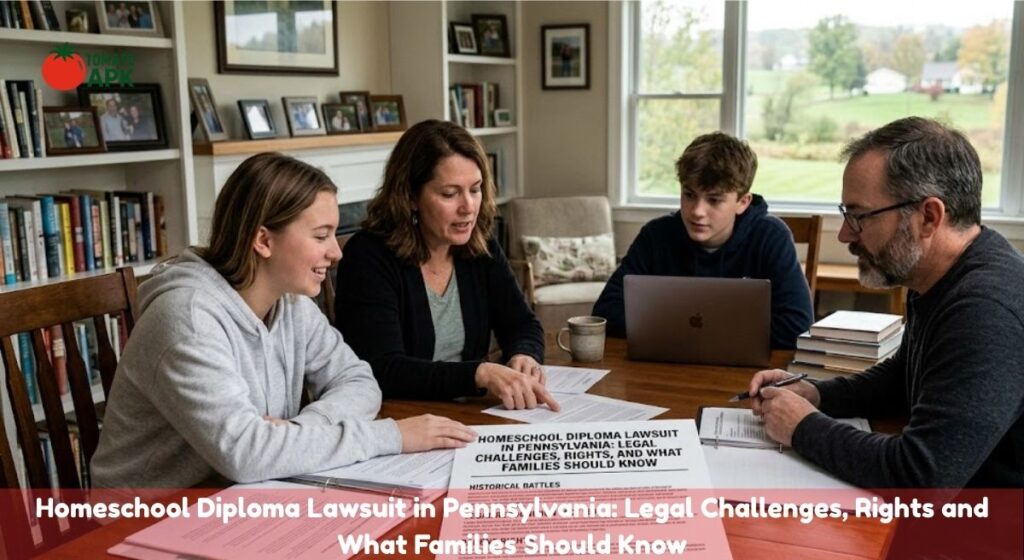
Homeschooling has become a widely accepted education choice in the United States, including Pennsylvania. However, it also comes with legal responsibilities that parents must follow carefully. Over the years, discussions around a homeschool diploma lawsuit in Pennsylvania have raised important questions about the validity of homeschool diplomas, state oversight, and how colleges or employers view these credentials.
This article explains what such lawsuits typically involve, how Pennsylvania homeschooling law works, why disputes arise, and what families should know to avoid legal problems.
Understanding Homeschooling in Pennsylvania
Pennsylvania is known for having one of the more structured homeschooling systems in the United States. Parents are legally allowed to educate their children at home, but they must follow strict requirements under state law.
To homeschool legally in Pennsylvania, parents must:
- File a notarized affidavit with the school district each year
- Submit an outline of intended educational objectives
- Maintain a portfolio of student work
- Provide required instruction in core subjects
- Have students evaluated annually by a qualified evaluator
The state does not issue a “state diploma” for homeschool students. Instead, parents typically issue their own diploma upon completion of high school requirements.
This is where legal disputes sometimes begin.
What Is a Homeschool Diploma Lawsuit in Pennsylvania?
A “homeschool diploma lawsuit in Pennsylvania” generally refers to legal conflicts involving:
- Whether a homeschool diploma is valid or recognized
- Disputes between parents and school districts
- Challenges over compliance with homeschooling regulations
- Concerns from colleges or employers about homeschool credentials
These cases are not always about one specific famous lawsuit. Instead, they often involve broader legal questions about how homeschool diplomas are issued and whether they meet state requirements.
At the center of most disputes is one issue: Did the homeschooling family follow Pennsylvania law correctly?
Why Do Legal Disputes Arise?
Homeschool diploma disputes usually happen for a few key reasons.
1. Failure to Follow State Requirements
If parents do not properly file annual paperwork, maintain records, or meet curriculum standards, school districts may challenge the legitimacy of the homeschool program.
2. Diploma Validity Concerns
Since Pennsylvania allows parents to issue diplomas, questions sometimes arise about whether the diploma represents a legitimate high school education.
3. Student Access to Higher Education
Some issues occur when colleges request proof of standardized academic achievement beyond a parent-issued diploma.
4. School District Oversight Disagreements
School districts have a legal responsibility to ensure compliance, but parents sometimes feel oversight is too strict or intrusive.
These disagreements can escalate into legal action or formal complaints.
Pennsylvania Law and Homeschool Diplomas
Under Pennsylvania law, homeschool diplomas are legally valid if the homeschool program complies with state regulations. However, the diploma itself is not issued or approved by the state government.
Instead:
- Parents act as the diploma-granting authority
- Evaluators confirm academic progress
- School districts ensure compliance, not curriculum control
This structure is legal, but it can lead to misunderstandings.
A homeschool diploma is generally accepted for:
- College admissions (with additional documentation)
- Military enlistment (with standardized test scores)
- Employment opportunities (depending on employer requirements)
However, acceptance is not always automatic, which sometimes fuels legal disputes.
Role of School Districts in Homeschool Oversight
In Pennsylvania, school districts are not responsible for teaching homeschool students, but they do play an oversight role.
Their responsibilities include:
- Reviewing affidavits submitted by parents
- Ensuring required subjects are taught
- Reviewing annual portfolios and evaluations
- Addressing non-compliance issues
If a district believes a homeschool program is not meeting legal requirements, it may:
- Request additional documentation
- Place the student under review
- In rare cases, initiate legal proceedings
This oversight system is often at the center of homeschool diploma-related disputes.
Common Legal Issues in Homeschool Diploma Cases
While every case is different, most homeschool diploma-related legal issues in Pennsylvania fall into several categories.
1. Documentation Disputes
Failure to properly maintain portfolios or submit evaluations can result in disputes over whether a student actually completed required coursework.
2. Allegations of Non-Compliance
If a district believes homeschooling requirements were ignored, it may question the validity of the diploma.
3. Diploma Recognition Challenges
Even when homeschooling is legal, some institutions may question whether the diploma meets their admission standards.
4. Parental Rights vs State Authority
Some cases involve constitutional arguments about parental rights to direct education versus state enforcement of education laws.
How Courts Typically View Homeschool Diploma Disputes
Courts in Pennsylvania and across the United States generally recognize:
- Parents have the right to homeschool their children
- States have the right to regulate education standards
- Compliance with state law determines diploma validity
In most cases, courts do not invalidate homeschooling itself. Instead, they focus on whether legal requirements were followed.
If parents comply with all homeschooling regulations, courts usually uphold the validity of the homeschool diploma.
Impact on Students and Families
Legal disputes involving homeschool diplomas can be stressful for families. The impact may include:
- Delays in college admissions
- Difficulty proving academic achievement
- Increased scrutiny from school districts
- Emotional stress for students
However, most homeschool students in Pennsylvania complete their education without any legal issues, especially when parents follow all guidelines carefully.
How to Avoid Homeschool Diploma Legal Problems
Families can significantly reduce the risk of disputes by following best practices.
Keep Accurate Records
Maintain detailed portfolios including:
- Assignments
- Tests and quizzes
- Reading lists
- Writing samples
Follow Annual Requirements Strictly
Always submit:
- Affidavits on time
- Evaluator reports
- Required subject documentation
Use Qualified Evaluators
Pennsylvania requires evaluations by certified professionals or qualified teachers.
Understand Graduation Standards
Make sure high school graduation requirements are clearly met before issuing a diploma.
Stay Informed About Law Changes
Homeschool regulations may be updated, so staying current is essential.
Do Homeschool Diplomas Have Legal Value?
Yes. In Pennsylvania, homeschool diplomas are legally valid if issued under compliant homeschool programs.
However, their acceptance depends on context:
- Colleges may require additional transcripts or standardized tests
- Employers may evaluate skills rather than diploma source
- Military branches may require alternative documentation
The diploma itself is legal, but its recognition depends on the institution reviewing it.
Why the Topic Continues to Attract Attention
The phrase “homeschool diploma lawsuit Pennsylvania” continues to appear in discussions because homeschooling sits at the intersection of:
- Education law
- Parental rights
- Government oversight
- Academic standards
As homeschooling grows in popularity, more families seek clarity about legal protections and requirements.
Conclusion
The idea of a homeschool diploma lawsuit in Pennsylvania reflects broader legal and educational questions rather than one single type of case. Most disputes arise from misunderstandings about compliance, documentation, or diploma recognition—not from homeschooling itself being illegal or invalid.
Pennsylvania law clearly allows homeschooling, but it requires families to follow specific rules. When those rules are followed correctly, homeschool diplomas are legally valid and widely accepted.
For families, the key takeaway is simple: careful compliance with state homeschooling regulations is the best way to ensure that a homeschool diploma holds full legal and academic value.
FAQs
1. Is a homeschool diploma legal in Pennsylvania?
Yes. Homeschool diplomas are legal if the homeschool program complies with Pennsylvania state law.
2. Can a homeschool diploma be rejected?
It is rarely “rejected” legally, but some colleges or employers may request additional proof of academic achievement.
3. Does Pennsylvania issue official homeschool diplomas?
No. Parents issue diplomas after completing required homeschooling standards.
4. Why do homeschool diploma lawsuits happen?
They usually involve disputes over compliance with homeschooling laws or recognition of academic records.
5. Can homeschool students go to college in Pennsylvania?
Yes. Homeschool students can apply to colleges, often using transcripts, portfolios, and standardized test scores.
6. What is required to legally homeschool in Pennsylvania?
Parents must file an affidavit, maintain records, follow required subjects, and submit annual evaluations.