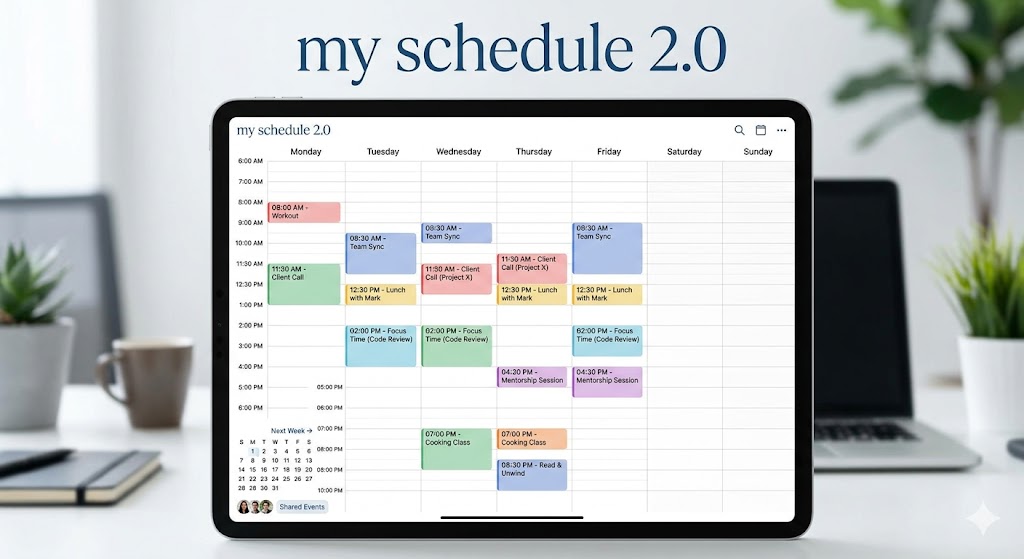
My Schedule 2.0
In today’s fast-paced world, managing time effectively has become more important than ever. The concept of “my schedule 2.0” represents a refined, smarter, and more adaptable way of organizing daily life. It goes beyond traditional planners and rigid routines, focusing instead on flexibility, intentionality, and balance. Whether you are a student, professional, entrepreneur, or homemaker, upgrading your routine can significantly improve productivity and overall well-being. This article explores how to design and implement a modern scheduling system that aligns with your goals, energy levels, and priorities.
What Is My Schedule 2.0?
My schedule 2.0 is not just about writing tasks in a planner. It is a holistic system that integrates productivity techniques, mental health awareness, and realistic time allocation. Unlike outdated methods that rely on strict timelines, this approach embraces adaptability and personalization.
The idea is simple: build a schedule that works for you, not against you. It accounts for your lifestyle, responsibilities, and personal preferences, allowing you to stay consistent without feeling overwhelmed.
Why Traditional Scheduling Often Fails
Many people struggle with traditional schedules because they are too rigid and unrealistic. Fixed hourly plans often ignore unexpected interruptions, energy fluctuations, and emotional states.
Common issues include:
- Overloading tasks into a single day
- Lack of flexibility
- Ignoring personal energy cycles
- No buffer time for breaks or delays
My schedule 2.0 addresses these problems by introducing flexibility and prioritization instead of strict control.
Core Principles of My Schedule 2.0
1. Flexibility Over Rigidity
A modern schedule should adapt to your day. Instead of assigning exact times to every task, group activities into flexible blocks. This allows you to shift tasks when needed without disrupting your entire plan.
2. Prioritization
Focus on what truly matters. Not all tasks are equally important. Identify high-impact activities and complete them first.
3. Energy-Based Planning
Your energy levels change throughout the day. Schedule demanding tasks during peak energy hours and lighter tasks when your energy is lower.
4. Balance
Productivity is not just about work. Include time for rest, hobbies, and relationships. A balanced schedule leads to long-term success.
How to Build My Schedule 2.0
Step 1: Define Your Goals
Start by identifying your short-term and long-term goals. These goals will guide your daily activities and help you stay focused.
Step 2: Categorize Your Tasks
Divide tasks into categories such as:
- Work or study
- Personal development
- Health and fitness
- Social or family time
This makes it easier to allocate time effectively.
Step 3: Create Time Blocks
Instead of scheduling tasks by the minute, create time blocks. For example:
- Morning: Deep work
- Afternoon: Meetings or collaborative tasks
- Evening: Relaxation and personal time
This approach gives structure while maintaining flexibility.
Step 4: Add Buffer Time
Always include extra time between tasks. This prevents stress when things take longer than expected.
Step 5: Review and Adjust
At the end of each day or week, review your schedule. Identify what worked and what didn’t, then adjust accordingly.
Tools for Managing My Schedule 2.0
There are many tools available to support your new scheduling system. Digital calendars, task management apps, and even simple notebooks can be effective.
Popular features to look for include:
- Reminders and notifications
- Task prioritization
- Progress tracking
- Integration with other tools
Choose a system that feels natural and easy to use.
Benefits of Using My Schedule 2.0
Increased Productivity
By focusing on important tasks and working with your energy levels, you can accomplish more in less time.
Reduced Stress
Flexible planning reduces the pressure of strict deadlines and allows you to adapt to changes.
Better Work-Life Balance
Including personal time in your schedule ensures that you don’t neglect your well-being.
Improved Consistency
A realistic and adaptable schedule is easier to maintain over time.
Common Mistakes to Avoid
Overplanning
Trying to schedule every minute can lead to frustration. Keep your plan simple and flexible.
Ignoring Breaks
Rest is essential for productivity. Skipping breaks can lead to burnout.
Lack of Review
Without regular evaluation, your schedule may become ineffective over time.
Setting Unrealistic Goals
Be honest about what you can achieve in a day. Overloading your schedule can reduce motivation.
Adapting My Schedule 2.0 for Different Lifestyles
For Students
Students can use this system to balance study time, assignments, and social activities. Prioritizing subjects based on difficulty and deadlines can improve academic performance.
For Professionals
Professionals can manage meetings, projects, and personal commitments more efficiently. Time blocking can help reduce distractions and improve focus.
For Entrepreneurs
Entrepreneurs often have unpredictable schedules. A flexible system allows them to handle sudden changes while staying productive.
For Homemakers
Managing household responsibilities becomes easier with structured yet adaptable planning.
The Role of Discipline and Consistency
While flexibility is important, discipline is still essential. My schedule 2.0 works best when you commit to your plan and avoid unnecessary distractions.
Consistency does not mean perfection. It means showing up every day and making small improvements over time.
How to Stay Motivated
Staying motivated can be challenging, especially when routines become repetitive. Here are some tips:
- Set small, achievable goals
- Reward yourself for completing tasks
- Track your progress
- Stay connected to your purpose
Motivation grows when you see consistent results.
Future of Scheduling
As technology continues to evolve, scheduling methods will become even more advanced. Artificial intelligence and automation may help create personalized schedules based on behavior and preferences.
However, the core idea of my schedule 2.0 will remain the same: a system that adapts to you rather than forcing you into a rigid structure.
Conclusion
My schedule 2.0 is a modern solution to the challenges of time management. By focusing on flexibility, prioritization, and balance, it helps you create a routine that supports both productivity and well-being.
Instead of trying to control every minute of your day, this approach encourages you to work smarter and live better. With the right mindset and tools, you can transform your daily routine into a system that truly works for you.
FAQs
What is the main idea behind my schedule 2.0?
The main idea is to create a flexible and personalized scheduling system that adapts to your lifestyle and priorities instead of following a rigid structure.
How is it different from traditional scheduling?
Traditional scheduling focuses on strict timelines, while my schedule 2.0 emphasizes flexibility, energy-based planning, and balance.
Can beginners use this method?
Yes, it is suitable for beginners. Start with simple time blocks and gradually refine your schedule as you gain experience.
How often should I review my schedule?
It is recommended to review your schedule daily or weekly to ensure it remains effective and aligned with your goals.
Do I need digital tools to implement it?
No, you can use either digital tools or a simple notebook. The method works with any system as long as it suits your needs.
What if I fail to follow my schedule?
Failure is part of the process. Review what went wrong, make adjustments, and try again. Consistency matters more than perfection.