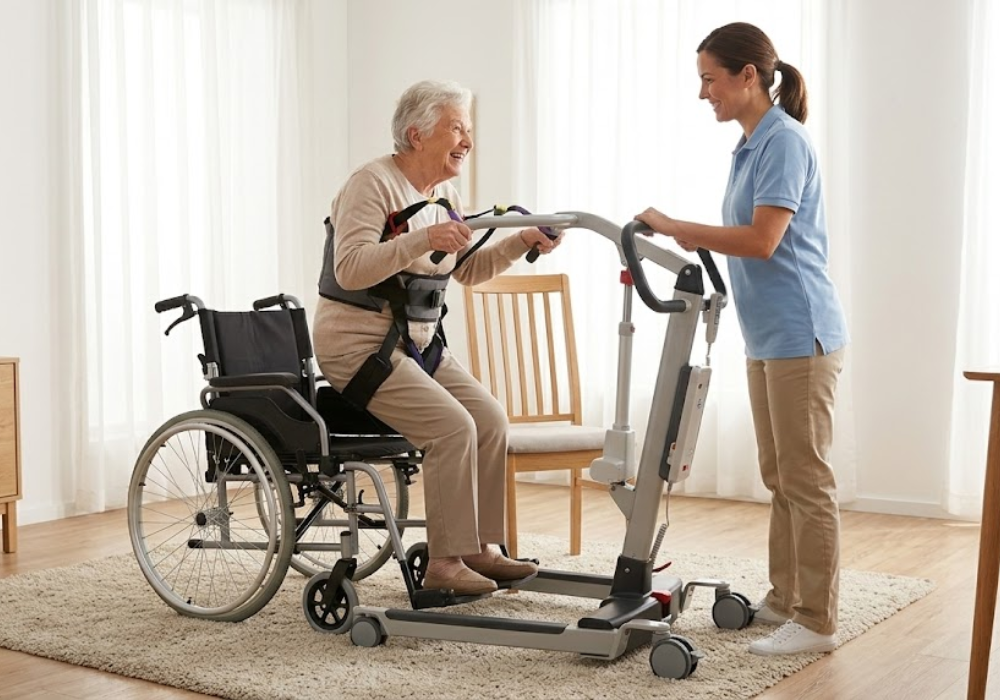
Mobility challenges can significantly impact the quality of life for individuals with limited strength or balance. One of the most effective solutions to address these challenges is a sit to stand lift. Designed to assist people in moving safely from a seated to a standing position, these devices provide not only physical support but also promote confidence and independence.
What is a Sit to Stand Lift?
A sit to stand lift is a mechanical or motorized device that aids individuals who have difficulty standing on their own. Commonly used in hospitals, rehabilitation centers, and home care settings, these lifts reduce the risk of falls and injuries associated with manual transfers. By supporting the lower body and offering a secure grip, the device allows users to stand safely without putting strain on caregivers.
These lifts are often designed with ergonomic features, adjustable heights, and secure harnesses to cater to various body types and mobility levels. The primary goal is to make transitions between sitting and standing smooth, safe, and comfortable.
Benefits of Using a Sit to Stand Lift
1. Safety and Fall Prevention
One of the most significant advantages of a sit to stand lift is the enhanced safety it provides. Individuals with limited mobility are at a higher risk of falls, especially during transfers from a chair or bed. Sit to stand lifts offer stable support, minimizing the risk of accidents and ensuring that the user’s movements are controlled.
2. Promotes Independence
Using a sit to stand lift allows users to move without constant assistance from a caregiver. This independence can significantly boost self-esteem and overall well-being. People regain the ability to perform basic daily tasks, such as moving from a wheelchair to a dining chair, with greater confidence.
3. Reduces Caregiver Strain
Caregivers often face physical strain when assisting individuals with limited mobility. Manual lifting can lead to back injuries and fatigue. A sit to stand lift minimizes the physical effort required, making caregiving safer and more efficient.
4. Supports Rehabilitation and Strengthening
Some sit to stand lifts are designed to encourage gradual weight-bearing exercises. By promoting repeated standing and partial support, these devices can help users build leg strength, improve balance, and support rehabilitation goals.
Types of Sit to Stand Lifts
1. Manual Sit to Stand Lifts
Manual lifts operate through a simple mechanism, often using a lever or hydraulic system. They are cost-effective and suitable for home use, providing controlled assistance with minimal complexity. However, manual lifts may require more physical effort from the caregiver compared to motorized versions.
2. Motorized Sit to Stand Lifts
Motorized lifts use electric motors to assist in raising the user from a seated position. These are ideal for individuals with very limited strength or for settings where frequent transfers occur. Motorized lifts often include remote controls and adjustable settings to customize the speed and range of motion.
3. Mobile Sit to Stand Lifts
Mobile lifts come with wheels, allowing easy movement from room to room. They are versatile and convenient in both home and clinical settings. The mobility feature ensures that the user can transition between different locations safely without multiple transfers.
Key Features to Look for in a Sit to Stand Lift
When choosing a sit to stand lift, consider the following features:
- Adjustable Height: Ensures the lift can accommodate various chairs, beds, and user heights.
- Comfortable Seat or Sling: Provides support and reduces pressure points during transfers.
- Sturdy Frame and Wheels: For stability and ease of movement.
- Safety Straps or Harnesses: Essential for secure transfers.
- Ease of Use: Controls should be intuitive for caregivers and users.
How to Use a Sit to Stand Lift Safely
Using a sit to stand lift correctly is critical to prevent injuries. Follow these steps:
- Position the lift close to the seated individual.
- Secure any harnesses or support straps around the user.
- Ensure the brakes on wheels are engaged if using a mobile lift.
- Operate the lift slowly, guiding the user into a standing position.
- Once standing, carefully move the user to the desired location, if applicable.
- Lower the user onto a chair or bed gently.
Proper training and practice are essential for caregivers to ensure the lift is used safely and effectively.
Maintenance and Care
To prolong the life of a sit to stand lift and ensure safety:
- Regularly inspect the frame, wheels, and moving parts for wear.
- Lubricate mechanical joints if recommended by the manufacturer.
- Check the condition of straps and harnesses frequently.
- Follow manufacturer guidelines for battery care on motorized lifts.
Routine maintenance not only ensures the lift functions correctly but also provides peace of mind for both the user and caregiver.
Who Can Benefit from a Sit to Stand Lift?
Sit to stand lifts are beneficial for:
- Elderly individuals with decreased leg strength or balance issues.
- People recovering from surgery or injury, requiring temporary support.
- Individuals with chronic conditions such as arthritis, multiple sclerosis, or muscular dystrophy.
- Caregivers seeking to reduce physical strain while assisting mobility-impaired individuals.
By providing physical support and enhancing independence, these lifts can improve overall quality of life.
Conclusion
A sit to stand lift is more than just a mobility aid; it is a tool that promotes independence, safety, and rehabilitation. Whether for home care, assisted living facilities, or hospitals, these lifts provide essential support for individuals with limited mobility while reducing the physical demands on caregivers. Investing in the right sit to stand lift can significantly enhance daily life, providing both comfort and confidence to users.
FAQs
Q1: Is a sit to stand lift difficult to operate?
A: Most modern lifts are designed to be user-friendly. Motorized lifts often include remote controls, while manual lifts use simple levers. Proper training ensures safe and easy operation.
Q2: Can a sit to stand lift be used on any type of chair?
A: Most lifts are adjustable to accommodate various chair and bed heights. It’s important to check the lift’s specifications to ensure compatibility with your furniture.
Q3: Are sit to stand lifts safe for elderly individuals?
A: Yes. These lifts are designed with safety in mind, including harnesses, stable frames, and smooth lifting mechanisms to prevent falls or injuries.
Q4: How do I maintain a sit to stand lift?
A: Regular inspection, cleaning, lubrication of mechanical parts, and checking straps and harnesses are essential. Motorized lifts also require battery maintenance.
Q5: Can sit to stand lifts help in rehabilitation?
A: Absolutely. By supporting partial weight-bearing exercises, these lifts can help strengthen leg muscles, improve balance, and assist in the recovery process.