Introduction
In the rapidly evolving digital world, new terms, codes, and identifiers appear almost daily. One such emerging keyword that has sparked curiosity online is taebzhizga154. Whether you encountered it in a database, software environment, online forum, or search query, understanding what taebzhizga154 represents can help you stay informed and make smarter decisions.
This comprehensive guide explores taebzhizga154 in depth — its possible meaning, origins, applications, benefits, risks, and frequently asked questions. By the end, you will have a clear, practical understanding of this keyword and how it may relate to your digital activities.
What Is Taebzhizga154?
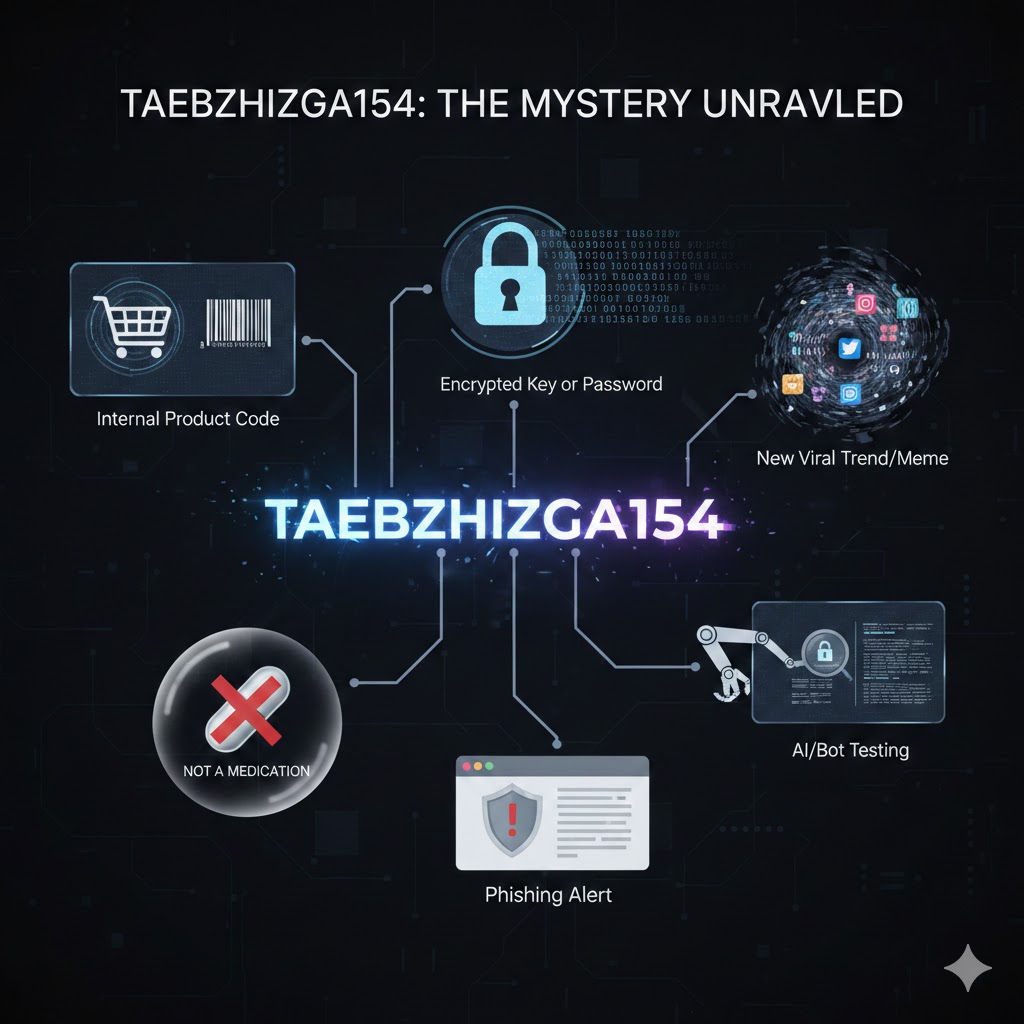
At its core, taebzhizga154 appears to be a structured alphanumeric identifier. Such identifiers are commonly used in modern digital ecosystems for:
-
Internal tracking
-
Product or asset identification
-
Database indexing
-
Software versioning
-
Security token labeling
-
Experimental or placeholder naming
Because This does not currently correspond to a widely recognized public product or standard term, it most likely functions as a unique system-generated label rather than a mainstream branded name.
In many cases, identifiers like this are automatically produced by algorithms to ensure uniqueness across large datasets.
Possible Origins of Taebzhizga154
Understanding where taebzhizga154 might come from requires looking at common naming conventions used in technology and data systems.
Algorithmic Generation
Most modern platforms generate unique strings using:
-
Random character sequences
-
Hash functions
-
Timestamp combinations
-
Machine-generated IDs
The structure of taebzhizga154 strongly suggests automated creation rather than manual naming.
Internal Database Reference
Organizations often use complex identifiers internally. Taebzhizga154 could represent:
-
A product SKU
-
A user session ID
-
A file reference code
-
A testing environment variable
-
A content management identifier
Development or Testing Environment
Developers frequently create placeholder strings during testing phases. In sandbox environments, names like taebzhizga154 help prevent conflicts between datasets.
Common Use Cases of Taebzhizga154
While the exact context may vary, identifiers like taebzhizga154 typically appear in several technical scenarios.
1. Software and Application Development
In development workflows, unique strings help track:
-
Build versions
-
Debug sessions
-
Feature flags
-
API requests
If you saw taebzhizga154 in logs or console output, it may be tied to a software process.
2. Database Management Systems
Databases rely heavily on unique identifiers to maintain data integrity. This could function as:
-
Primary key
-
Record identifier
-
Transaction reference
-
Index label
These ensure that every entry remains distinct.
3. Cybersecurity and Authentication
Security systems often generate complex tokens. In this context, taebzhizga154 might be related to:
-
Session tokens
-
Temporary access keys
-
Verification hashes
-
Encrypted identifiers
Such strings help protect systems from unauthorized access.
4. Digital Asset Tracking
Companies managing large inventories use coded identifiers. Possible roles include:
-
Asset tracking
-
Digital file labeling
-
Inventory control
-
Cloud storage indexing
Why Unique Identifiers Like Taebzhizga154 Matter
Unique strings may look random, but they serve critical functions in modern technology.
Ensuring Data Accuracy
Duplicate entries can corrupt systems. Unique identifiers prevent:
-
Record overlap
-
Data loss
-
Mismatched information
-
System conflicts
Improving System Performance
Efficient indexing speeds up:
-
Database queries
-
Search operations
-
File retrieval
-
API responses
Enhancing Security
Randomized identifiers make it harder for attackers to:
-
Predict session IDs
-
Hijack accounts
-
Manipulate databases
-
Exploit vulnerabilities
Is Taebzhizga154 Safe or Suspicious?
Many users worry when they encounter unfamiliar strings. In most cases, taebzhizga154 is harmless, but context matters.
When It Is Likely Safe
-
Appears in developer logs
-
Found in database exports
-
Seen in software debug output
-
Generated by known platforms
When to Be Cautious
You should investigate further if:
-
It appears in suspicious emails
-
It is tied to unknown downloads
-
It shows up in unauthorized account activity
-
It is associated with malware alerts
The identifier itself is usually neutral — the surrounding context determines risk.
How to Investigate
If you need to determine the exact meaning of taebzhizga154 in your case, follow a systematic approach.
Step 1: Check the Source
Ask yourself:
-
Where did you see it?
-
Was it in software, email, or a website?
-
Did it appear during an error?
Context is the biggest clue.
Step 2: Review System Logs
If you manage a platform, search for taebzhizga154 in:
-
Server logs
-
Application logs
-
Database tables
-
API responses
This often reveals its function.
Step 3: Consult Documentation
Internal or platform documentation may explain the identifier format.
Step 4: Run Security Scans
If you suspect risk:
-
Scan your system
-
Check running processes
-
Review recent downloads
-
Monitor network activity
Potential Technical Structure of Taebzhizga154
Looking at the format, we can break it down:
-
taebzhizga — likely the main identifier string
-
154 — possibly a version number or sequence
This pattern is common in:
-
Build numbering systems
-
Iteration tracking
-
Batch processing
-
Dataset segmentation
However, without the originating system, the exact meaning remains contextual.
Best Practices When Encountering Unknown Identifiers
When dealing with strings like taebzhizga154, follow smart digital hygiene.
Do
-
Verify the source
-
Monitor system behavior
-
Keep software updated
-
Maintain backups
-
Use security tools
Avoid
-
Clicking unknown attachments
-
Ignoring repeated alerts
-
Deleting system files blindly
-
Sharing sensitive data
Future Relevance of Identifiers Like Taebzhizga154
As digital infrastructure expands, unique identifiers will become even more common.
Growing Importance
We are seeing rapid growth in:
-
Cloud computing
-
AI-driven systems
-
IoT networks
-
Big data platforms
-
Automated workflows
All of these rely heavily on unique strings similar to This.
What This Means for Users
Users should become comfortable with:
-
Reading system logs
-
Understanding basic identifiers
-
Practicing cybersecurity awareness
-
Managing digital assets
Frequently Asked Questions (FAQs)
What exactly is taebzhizga154?
Taebzhizga154 is most likely an automatically generated alphanumeric identifier used for tracking, indexing, or system management purposes. Its exact meaning depends on the platform where it appears.
Is taebzhizga154 a virus?
By itself, taebzhizga154 is not known to be a virus. It is typically just a neutral identifier. However, always check the context in which you found it.
Why am I seeing taebzhizga154 on my system?
You may see taebzhizga154 if:
-
A program generated a unique ID
-
A database created a record key
-
A session token was assigned
-
A developer tool produced debug output
Can I delete taebzhizga154?
Do not delete anything unless you know its purpose. Removing identifiers from active systems can cause errors or data corruption.
How do I trace taebzhizga154?
Search for it in:
-
System logs
-
Application logs
-
Database records
-
Developer tools
Tracing usually reveals the parent process.
Conclusion
Taebzhizga154 may look mysterious at first glance, but it fits a very common pattern in modern digital systems. Most evidence suggests it is a machine-generated unique identifier used for tracking, indexing, security, or development purposes.
The key to understanding taebzhizga154 lies in context. Where you found it — whether in software logs, databases, or online platforms — determines its true meaning. In the vast majority of cases, it is harmless and simply part of normal system operations.
As technology continues to evolve, encountering structured identifiers like taebzhizga154 will become increasingly normal. Staying informed, practicing good cybersecurity habits, and understanding basic digital infrastructure will help you navigate these situations confidently.