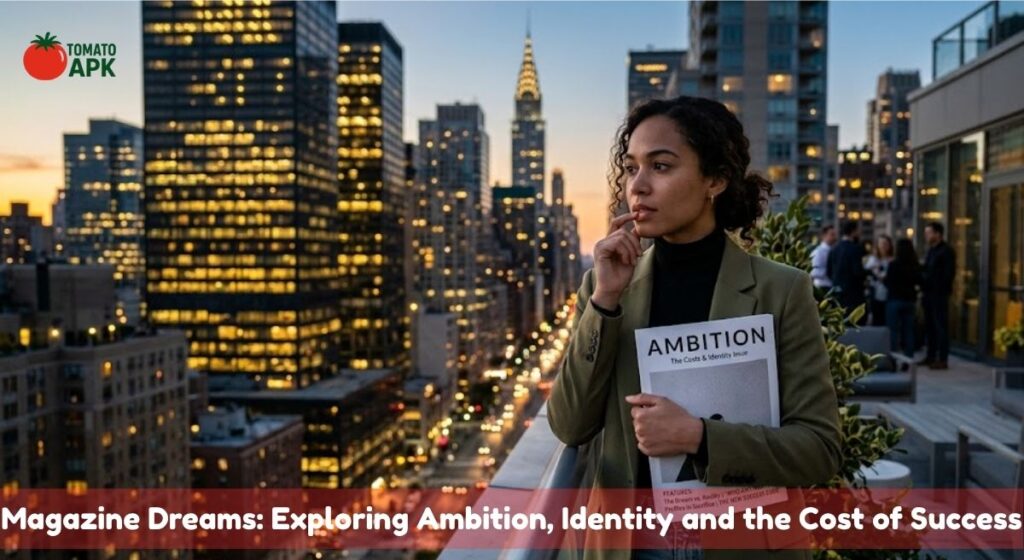
The magazine dreams evoke powerful imagery—glossy covers, fame, recognition, and a life that appears perfect from the outside. For many, it represents the ultimate aspiration: to be seen, admired, and celebrated by the world. However, beneath this polished surface lies a deeper narrative about ambition, identity, struggle, and the sacrifices people make to achieve their dreams. In today’s fast-paced and image-driven society, magazine dreams are more relevant than ever, shaping how individuals perceive success and themselves.
This article explores the meaning of magazine dreams, their psychological and cultural impact, and the realities behind the pursuit of recognition. By understanding both the allure and the challenges, we can develop a more balanced perspective on ambition and self-worth.
What Are Magazine Dreams?
At its core, magazine dreams symbolize the desire for visibility, success, and validation. The term originates from the idea of being featured in magazines—once the ultimate symbol of fame and achievement. Today, it extends beyond print media to include social media platforms, digital fame, and public recognition.
Magazine dreams often include aspirations such as becoming famous, achieving physical perfection, gaining wealth, or living a luxurious lifestyle. These dreams are shaped by media representations that highlight success stories while often ignoring the struggles behind them.
While there is nothing inherently wrong with dreaming big, the concept becomes problematic when individuals tie their self-worth solely to external validation. This can lead to unrealistic expectations and emotional distress.
The Influence of Media on Aspirations
Media plays a crucial role in shaping magazine dreams. From glossy magazines to Instagram feeds, people are constantly exposed to curated images of success and beauty. These portrayals create a standard that many strive to achieve.
The problem lies in the selective nature of media. What we see is often a highlight reel, carefully edited to present perfection. This can lead to comparisons, where individuals measure their own lives against unrealistic benchmarks.
Over time, this constant exposure can distort perceptions of reality. People may begin to believe that success must look a certain way, ignoring alternative paths and definitions of fulfillment. As a result, magazine dreams can become both motivating and misleading.
The Psychology Behind the Dream
The appeal of magazine dreams is deeply rooted in human psychology. People naturally seek recognition, acceptance, and a sense of belonging. Being admired or acknowledged fulfills these fundamental needs.
However, the pursuit of external validation can create a cycle of dependency. When individuals rely on others’ approval to feel valued, they may lose touch with their intrinsic motivations. This can lead to anxiety, insecurity, and a constant need for reassurance.
Moreover, the fear of failure becomes more intense. If success is defined by public recognition, then falling short can feel like a personal failure rather than a natural part of growth.
The Role of Social Media in Modern Magazine Dreams
In today’s digital age, social media has transformed magazine dreams into something more accessible—and more intense. Platforms like Instagram, TikTok, and YouTube allow anyone to showcase their life to a global audience.
This democratization of fame has its advantages. It provides opportunities for creativity, entrepreneurship, and self-expression. However, it also amplifies pressure. The need to maintain a perfect image can be exhausting and emotionally draining.
Likes, comments, and followers have become modern indicators of success. This can lead to a constant comparison cycle, where individuals feel inadequate if they do not measure up to others’ online personas.
The Cost of Chasing Perfection
While magazine dreams can be inspiring, they often come at a cost. The pursuit of perfection can lead to burnout, stress, and a loss of authenticity. Individuals may feel compelled to present a version of themselves that aligns with societal expectations rather than their true identity.
This can affect mental health, leading to issues such as anxiety, depression, and low self-esteem. The pressure to succeed quickly and visibly can also discourage patience and long-term growth.
Furthermore, the focus on external success may overshadow other important aspects of life, such as relationships, personal development, and inner happiness.
Redefining Success Beyond the Spotlight
One of the most important steps in navigating magazine dreams is redefining success. Instead of focusing solely on external recognition, individuals can shift their perspective to include personal growth, fulfillment, and meaningful experiences.
Success does not have to be visible to be valid. Achievements such as learning new skills, building strong relationships, and contributing to one’s community are equally important.
By broadening the definition of success, people can pursue their goals without losing sight of what truly matters. This approach fosters a healthier and more sustainable mindset.
The Importance of Authenticity
Authenticity plays a crucial role in balancing ambition and well-being. Staying true to oneself allows individuals to pursue their dreams without compromising their values or identity.
In a world that often rewards conformity, authenticity can be challenging. However, it is also what sets individuals apart and creates genuine connections.
Embracing imperfections and being honest about struggles can make success more meaningful. It shifts the focus from appearing perfect to being real, which is ultimately more fulfilling.
The Role of Hard Work and Persistence
Magazine dreams often highlight the end result rather than the journey. Behind every success story is a significant amount of hard work, dedication, and perseverance.
Understanding this reality is essential for managing expectations. Success rarely happens overnight, and setbacks are a natural part of the process.
By focusing on consistent effort rather than immediate results, individuals can build resilience and maintain motivation. This approach makes the pursuit of dreams more grounded and achievable.
Learning from Failure
Failure is often seen as the opposite of success, but it is actually an integral part of growth. Magazine dreams can create a fear of failure, as mistakes are rarely showcased in the media.
However, failure provides valuable lessons and opportunities for improvement. It helps individuals develop problem-solving skills, adaptability, and resilience.
By embracing failure as a learning experience, people can approach their goals with a healthier mindset. This reduces the pressure to be perfect and encourages continuous growth.
Balancing Dreams with Reality
While it is important to dream big, it is equally important to stay grounded in reality. Setting realistic goals and maintaining a balanced perspective can prevent disappointment and burnout.
This does not mean limiting ambitions but rather approaching them with awareness and flexibility. Understanding that success takes time and effort allows individuals to appreciate the journey rather than focusing solely on the outcome.
Balancing dreams with reality also involves recognizing personal limits and prioritizing well-being. This ensures that the pursuit of success does not come at the expense of health and happiness.
Building a Healthy Relationship with Success
Developing a healthy relationship with success involves shifting focus from external validation to internal satisfaction. This means valuing personal achievements and recognizing progress, regardless of public recognition.
Practicing gratitude and self-reflection can help individuals stay grounded and appreciate their journey. It also reduces the need for constant comparison with others.
By cultivating self-awareness and confidence, people can pursue their goals with a sense of purpose and fulfillment.
The Future of Magazine Dreams
As society continues to evolve, so will the concept of magazine dreams. With the rise of digital platforms and changing cultural values, success is becoming more diverse and inclusive.
People are increasingly recognizing the importance of mental health, authenticity, and individuality. This shift is encouraging a more balanced approach to ambition and self-expression.
In the future, magazine dreams may focus less on perfection and more on meaningful impact and personal growth. This evolution has the potential to create a healthier and more supportive environment for pursuing dreams.
Conclusion
Magazine dreams are a powerful reflection of human ambition and the desire for recognition. While they can inspire individuals to strive for greatness, they also come with challenges and risks.
By understanding the realities behind these dreams and adopting a balanced perspective, individuals can pursue their goals without losing themselves in the process. Redefining success, embracing authenticity, and valuing personal growth are key to achieving fulfillment.
Ultimately, the true essence of magazine dreams lies not in being seen by the world but in becoming the best version of oneself.
FAQs
1. What does “magazine dreams” mean?
Magazine dreams refer to the aspiration for fame, success, and recognition, often inspired by media portrayals of ideal lifestyles.
2. Are magazine dreams realistic?
They can be realistic to some extent, but they often present an idealized version of success. Achieving such dreams requires hard work, persistence, and realistic expectations.
3. How do magazine dreams affect mental health?
They can lead to pressure, comparison, and anxiety if individuals tie their self-worth to external validation. Maintaining a balanced perspective is essential.
4. Can social media amplify magazine dreams?
Yes, social media plays a significant role in intensifying magazine dreams by showcasing curated images of success and lifestyle.
5. How can I pursue my dreams without stress?
Focus on personal growth, set realistic goals, and avoid constant comparison with others. Prioritize well-being and authenticity.
6. Is it wrong to want fame and recognition?
No, it is natural to seek recognition. The key is to ensure it does not define your self-worth or overshadow other aspects of life.
7. How can I stay authentic while chasing success?
Stay true to your values, embrace imperfections, and focus on meaningful goals rather than external validation.